
Energy efficiency has motivated changes in the needs and expectations of customers, which now demand not only excellent service but also swift solutions, special offers and personalized advice. To achieve this, service providers should take an initiative that will transform their business models and operation and improve energy conservation.
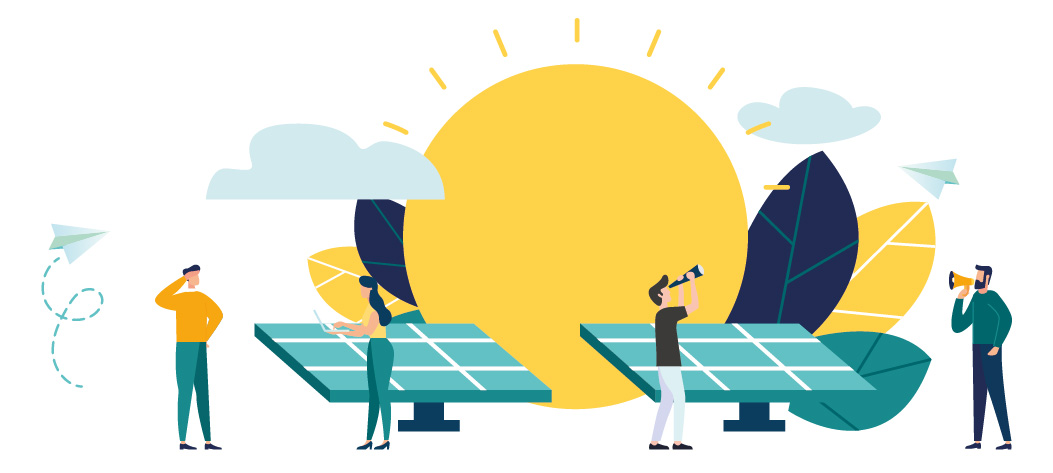
The Regulatory Indicators for Sustainable Energy (RISE(1)) 2018 indicates that the percentage of countries with advanced energy efficiency policy frameworks grew more than tenfold in the last 7 years, from 2% in 2010 to 25% in 2017. These countries account for 66% of the world’s energy consumption(2). This statistic, coupled with the increasing changes in users’ demands and behaviors, is driving utilities to look for new processes and technologies that help foster the use of renewable energy, improve energy efficiency and increase commitment to sustainability.
Utility companies should evolve their business models and take the proper initiatives to achieve this goal. Actions such as implementing smart grids to efficiently manage electricity, incorporating renewable energy, and empowering customers with valuable information to be more self-sufficient, are all ways that utilities can boost energy efficiency in the long run.
Implement smart grids
One of the most effective steps that utilities can take towards a more sustainable future is to deploy smart grids. This implementation involves the combination of various elements, including electrical and telecommunications infrastructure. It also incorporates new technologies such as sensors and controls that provide more unified, accurate, and real-time data to drive changes such as reductions in energy consumption, as well as a decrease of losses in power network distribution.
Introduce renewable energy
Leveraging renewable energy resources, such as solar and wind, contributes to the improvement of the climate crisis caused by global warming. In 2010, only 37% of countries covered by RISE had adopted an official renewable energy target, but in 2017, this number increased to 93%(3). However, the introduction of renewable energy requires a new distribution system that responds with greater precision and flexibility to changes in the management of energy demand and the current concept of the one-way network. In other words, utilities should begin to consider the implementation of other business models.
Improve customer experience
In this new era, consumers have greater access to technology than ever before. This accessibility changes the way customers interact with their utility, which is why these relationships must be more dynamic and agile. Self-service portals have become a key factor when providing a personalized experience that helps consumers have greater autonomy and flexibility when seeking information or making decisions regarding their usage habits. Creating unforgettable customer experiences and having a differentiating factor is of vital importance for the success of companies, allowing them to achieve customer loyalty and commitment.
Service providers need to take advantage of every opportunity they have to offer added value to their users while continuously improving their experience. However, achieving this is not an easy task: utilities must implement changes within their infrastructure and operations, applying cutting-edge technologies that incentivize customers to consume energy more efficiently.